Our Approach to Addiction Treatment

Personalized Care. Medical Oversight. Meaningful Change.

Recovery Begins With Understanding What Lies Beneath

At Changes Wellness, we look beyond substance use to understand the individual, their experiences, and the circumstances shaping their recovery.

Our approach combines medical oversight, evidence-based therapies, and individualized residential care to address the physical, psychological, and social aspects of addiction.

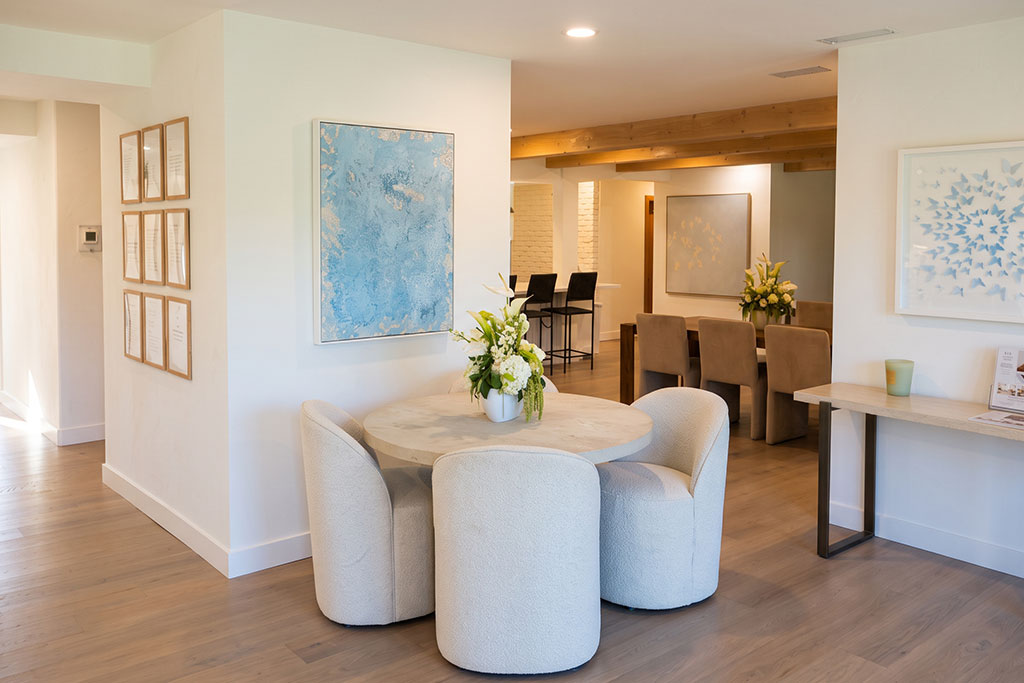
Lounge and dining area at Changes Wellness Center in Northridge, CA

Addiction Has a History, Treatment Should Understand It

A Whole-Person Approach to Substance Use Disorder

Substance use disorders can be influenced by biological, psychological, social, and environmental factors. Effective addiction treatment needs to consider more than substance use alone.

We look at the experiences, challenges, and patterns that may contribute to it, helping shape care around the person rather than relying on a one-size-fits-all approach.

No Two People Arrive With the Same Story

ASAM-Based Assessment. Individualized Plan. Ongoing Review.

Treatment begins with an assessment, guided by the ASAM Criteria, of each client’s substance use history, physical and mental health, withdrawal risks, relationships, and personal circumstances.

These findings guide an individualized treatment plan that evolves as the client stabilizes and progresses through care.

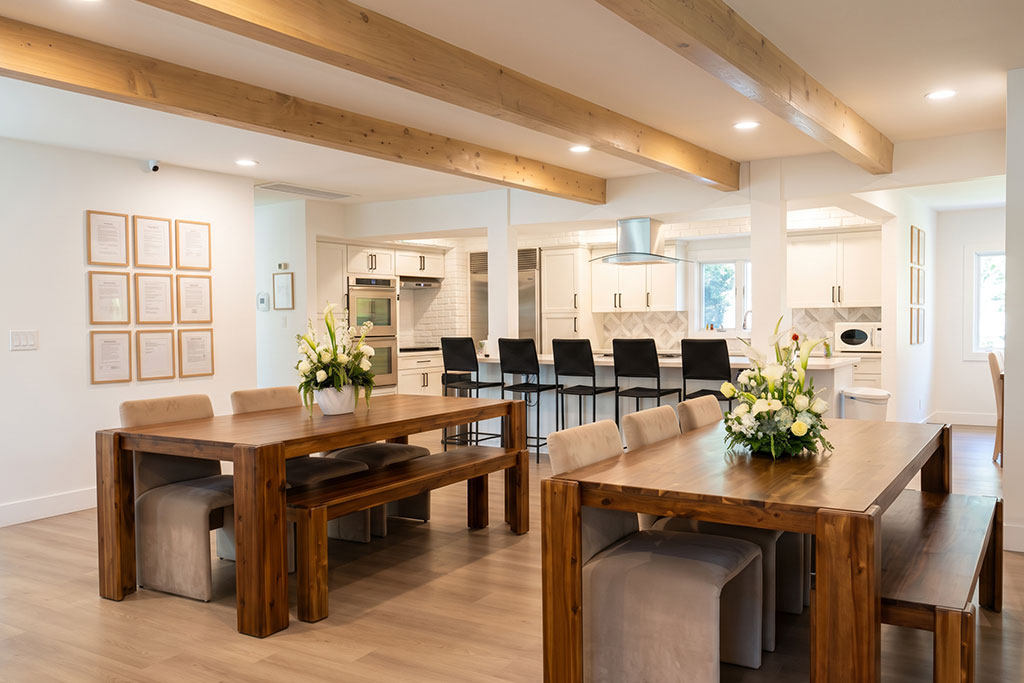
Kitchen and dining area at Changes Wellness Center in Northridge, CA

Before the Deeper Work, There Is Stability

Medical Oversight. On-Site Nursing. Coordinated Clinical Care.

Physical safety and medical support are essential to recovery, especially during withdrawal. The first hours are intentionally calm, with rest, hydration, and nutrition coming before any full day of programming.

Changes Wellness provides medically supervised detox and residential treatment with a full-time on-site Registered Nurse, oversight from a Medical Director, and approved Incidental Medical Services (IMS).

Care may include withdrawal assessment and monitoring, ongoing medical evaluation, and physician-directed medication management.

Medication-assisted treatment may also be considered when clinically indicated and prescribed by an authorized provider. If a client’s needs exceed what can safely be managed in a residential setting, we coordinate transfer to an appropriate medical facility.
Understanding the Patterns Behind Substance Use

Evidence-Based Treatment. Psychological Insight. Practical Skills.

Therapy helps clients explore the emotional, psychological, and behavioral patterns that can affect substance use and recovery. Depending on individual needs, treatment may incorporate:

Cognitive Behavioral Therapy (CBT) and Dialectical Behavior Therapy (DBT)

Motivational Interviewing and solution-focused approaches

Psychodynamic and relational perspectives

Trauma-informed care and relapse prevention

Individual and group therapy may be complemented by psychoeducation, mindfulness, emotional regulation skills, and family involvement when clinically appropriate.

Trauma-related work is guided by each client’s readiness. Early treatment prioritizes safety, stabilization, coping skills, and trust before considering deeper therapeutic work.

Explore Our Approach to Co-Occurring Disorders

Recovery That’s Built in Ordinary Days

Building a Foundation for Daily Life

Recovery takes shape in routine as much as in therapy. Alongside clinical work, daily life at Changes Wellness includes regular meals, rest, movement, and time for quiet, so clients can practice the habits that support recovery: sleeping well, eating well, managing stress, and filling time in ways that don’t involve substances.

Relapse-prevention skills, coping strategies, and family involvement, when clinically appropriate, are part of this daily rhythm. The goal is to help clients begin practicing routines they can carry into life after treatment.

Outdoor swimming pool at Changes Wellness Center in Northridge, CA
Living room with large windows at Changes Wellness Center in Northridge, CA
Indoor garden with a Buddha statue at Changes Wellness Center
Private bedroom with a marble fireplace at Changes Wellness Center in Northridge, CA

Change Has to Continue Beyond the Treatment Setting

Discharge Planning. Relapse Prevention. Coordinated Next Steps.

Recovery does not end when residential treatment is complete. Discharge planning begins during care and focuses on relapse prevention, ongoing support, and the next appropriate level of care.

Depending on individual needs, this may involve referrals for outpatient treatment, individual psychotherapy, psychiatric follow-up, or community-based recovery support.

Our team helps coordinate these next steps so clients leave with a clearer plan for continuing their recovery.

The Changes Approach: From Stabilization to Continued Growth

The five stages, Understand, Stabilize, Explore, Build, and Continue, reflect the connected elements of care at Changes Wellness.

Understand

A comprehensive assessment of your history, needs, and goals.

Stabilize

Medical detox, withdrawal monitoring, and coordinated clinical care.

Explore

Address the emotional, psychological, and behavioral patterns behind substance use.

Build

Develop coping skills, emotional regulation, and relapse prevention strategies.

Continue

A personalized plan for ongoing support and the next stage of recovery.

They are not a fixed sequence. Treatment adapts to each client’s needs, circumstances, and progress.

Find the Right Starting Point for Your Journey

Finding the right addiction treatment program starts with understanding your needs and the care available.

Our admissions team can answer questions about medical detox, residential treatment, and insurance coverage.